The Bureau of Spies
A coming-of-age novel in which a working-class boy with inherited witchcraft is recruited into a state programme designed not to harness individual power, but to prove it can be erased.
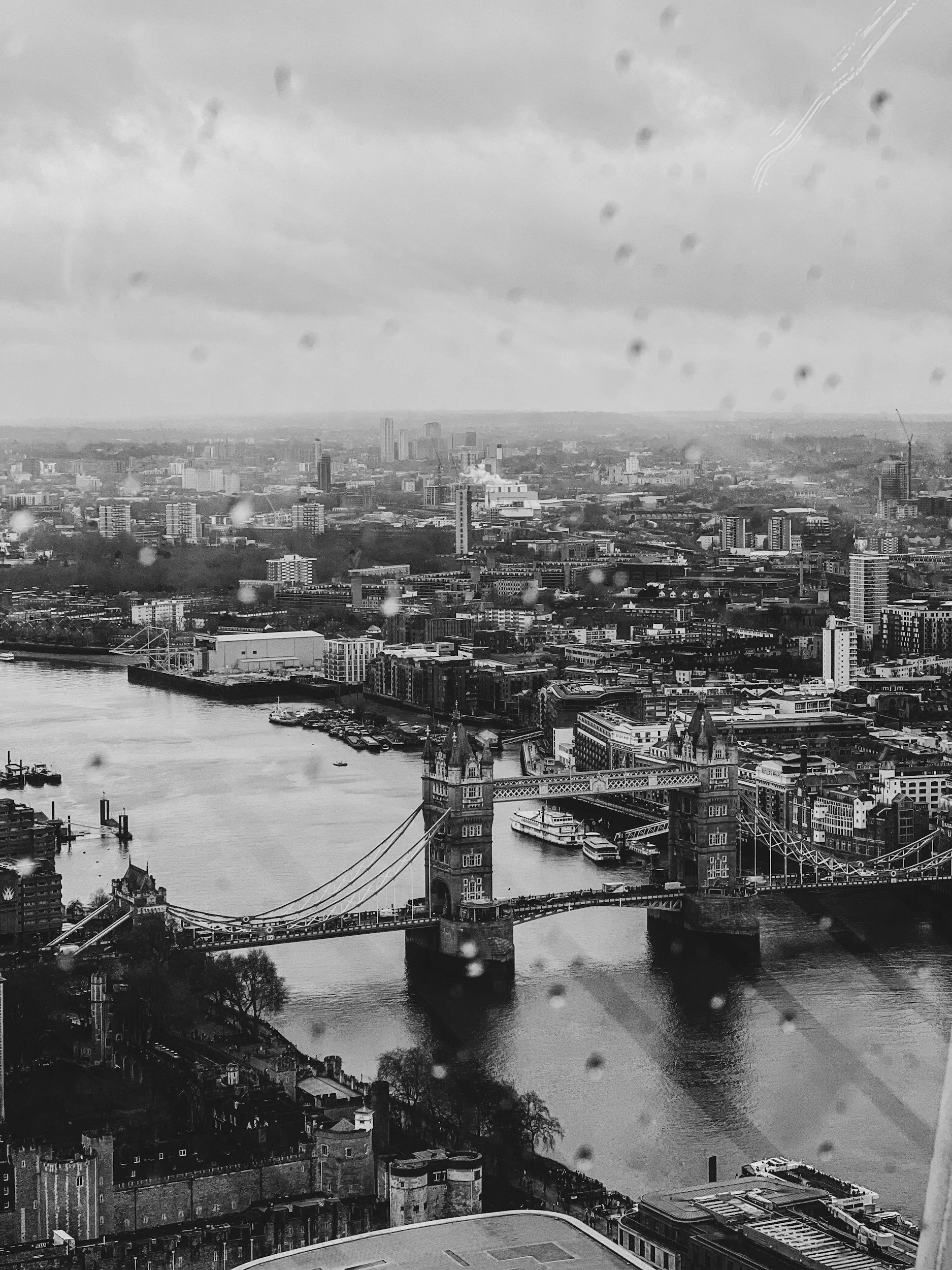
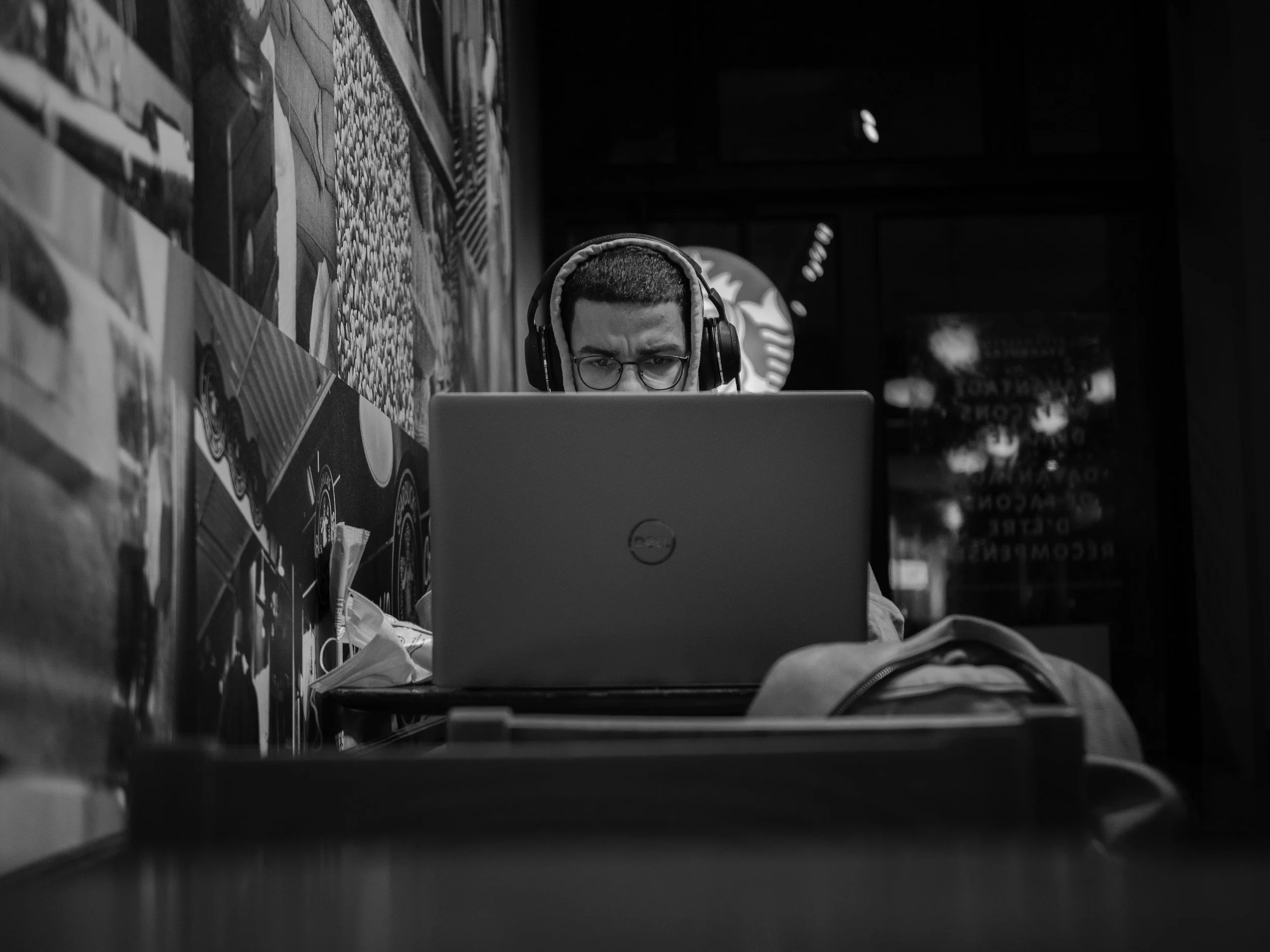
“Maybe it was the whisky, or the silence that followed, but Wolf began to talk, and once he got going he couldn’t stop. He talked about where he was born before coming to London as a toddler, about school, his mother, the flat, the late nights trading on the Oculana network. About the blockchain that gave him money and the strange belief he was forming about ancient blockchains and London skies. About how everything lately had felt like a coincidence too perfect to trust. Bartholomew listened quietly, nodding now and then, fingers steepled, as though committing every word to memory.”
The Bureau of Spies explores how power is shaped, hidden and transmitted across generations — and how technology increasingly mediates the way young people understand themselves, their futures and their freedom.
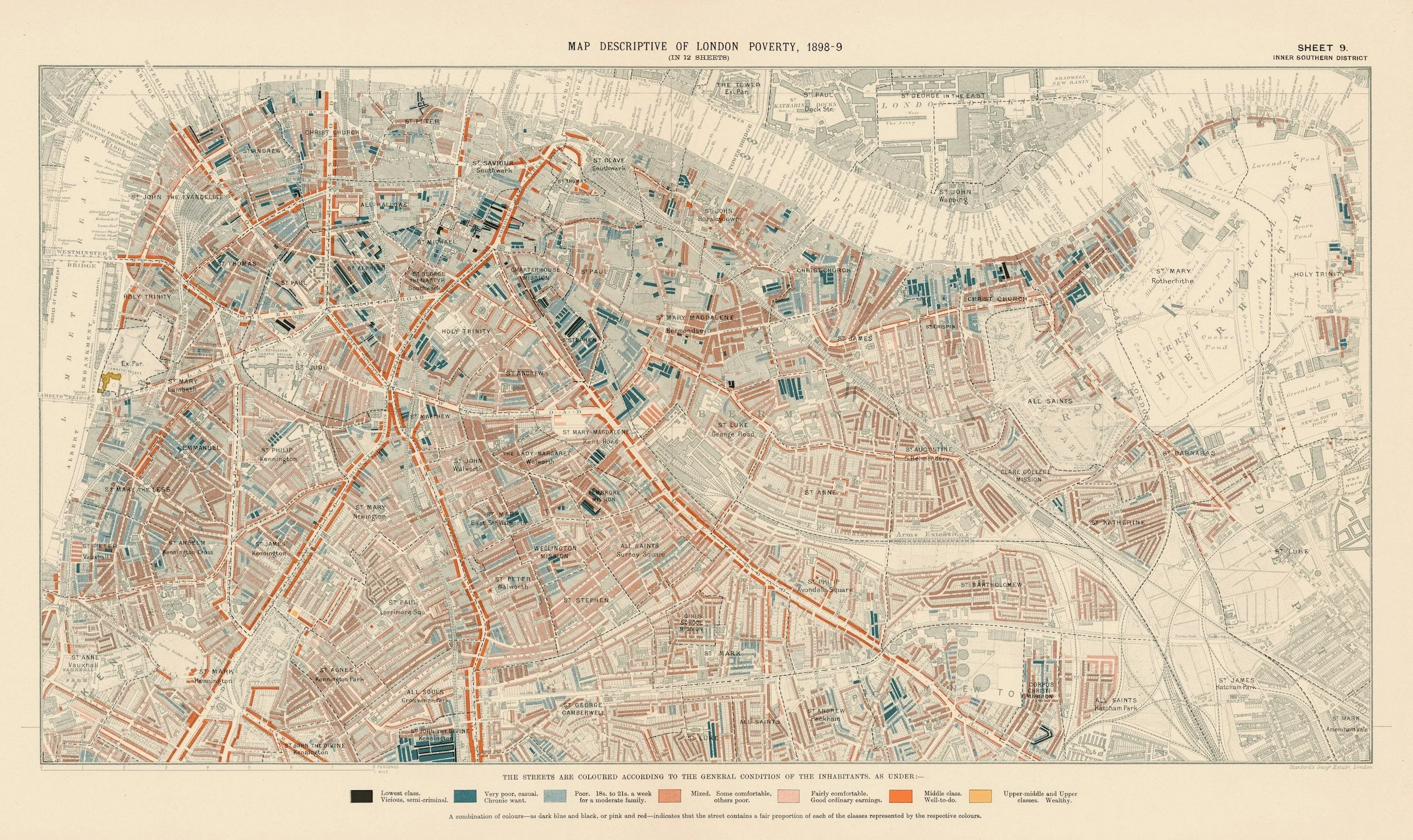
Seventeen-year-old Wolfgang “Wolf” Clyde is used to things going wrong. A grieving mother, a damp Westminster council flat and a catastrophic late-night crypto crash have left him certain he’s cursed to fail. But on the day of his A-Level results, the world stops behaving like the world he knows.
Wolf’s A-Level results are impossibly high – strange, considering he barely studied – and there’s a strange man following him through Pimlico. The man tells Wolf he has been recruited – not for university, but for a covert Ministry of Defence training programme housed in an unmarked building behind Trafalgar Square.
Wolf finds himself one of six young people assembled for an eight-week residential training camp in the countryside. Officially, they’re being evaluated for a cybersecurity initiative – to find out if they can hack into the government’s secretive XB8 blockchain platform. During their training, however, it becomes clear that all of them have very unusual gifts… flashes of second sight, clairvoyance, clairsentience and other forms of psychic knowledge.
Wolf – whose light domestic magic has always been used casually, almost lazily – begins to realise that his abilities run far deeper than he ever understood. Passed down through his mother’s lineage, Wolf’s inherited gifts are from a tradition the world once called… witchcraft.
Eventually, the teens realise they were never meant to break into the system at all. They were chosen to test whether their psychic abilities could survive its suppressive design.
Now, Wolf and his cohort must stop a system designed to reshape an entire generation. To do that, Wolf must confront the legacy of his family’s forbidden gifts and the consequences of his great-grandmother’s wartime actions — before the same machinery of control claims him, and everyone like him, next.
Date-driven present | Wartime surveillance
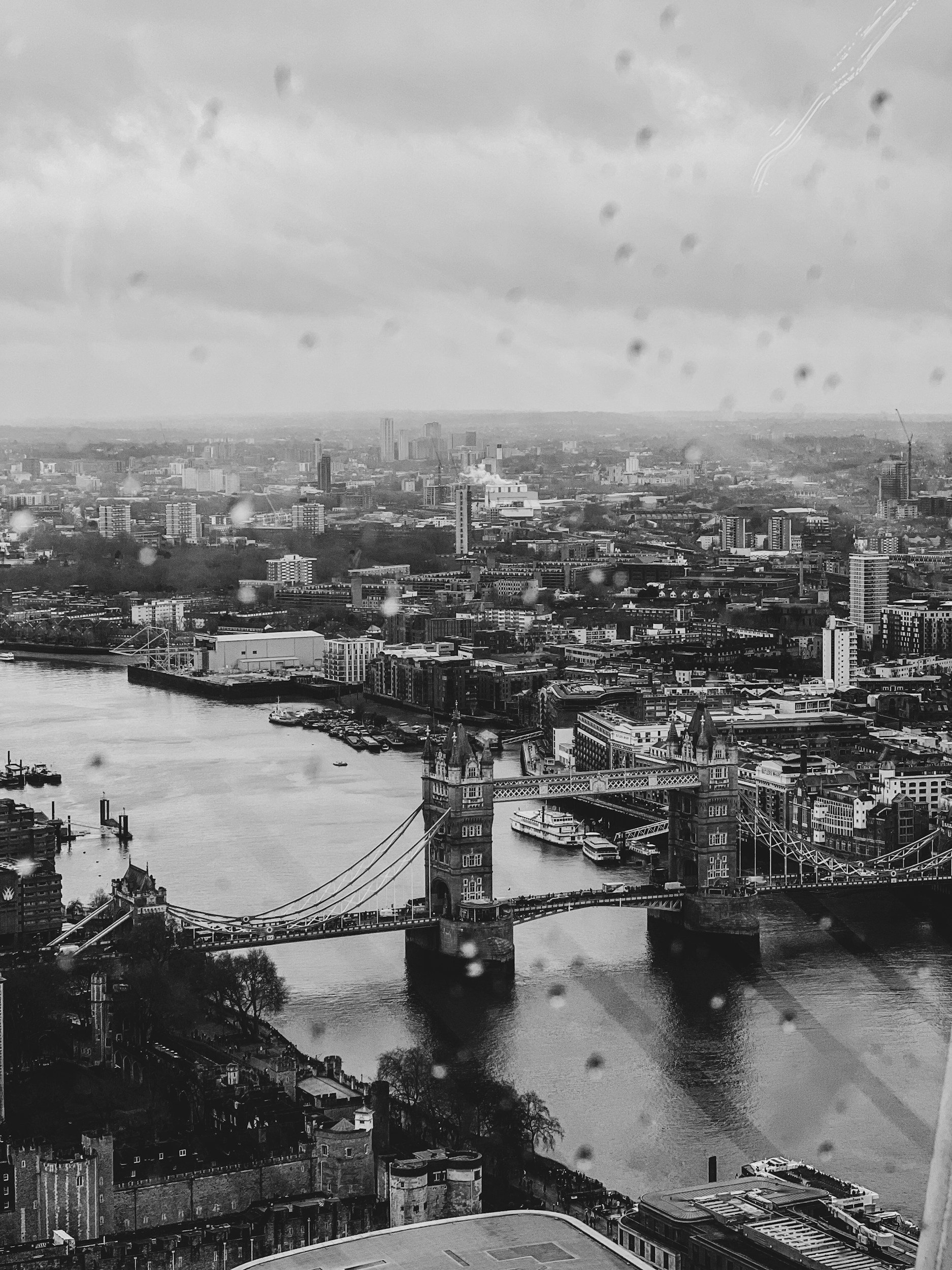
Set against the long shadow of Britain’s wartime intelligence history and the data-driven present, the novel examines the evolution of surveillance: from codes, symbols and embodied knowledge to algorithms, blockchains and predictive systems. It asks what happens when intuition, instinct and inherited ways of knowing come into conflict with systems designed to quantify, categorise and control.
At its core, The Bureau of Spies is interested in perception — who shapes it, who owns it, and what is lost when it is engineered away. Drawing on research into wartime London, early intelligence agencies, English witchcraft traditions and contemporary technologies such as AI and blockchain, the project treats magic and technology as parallel systems of belief, power and infrastructure.
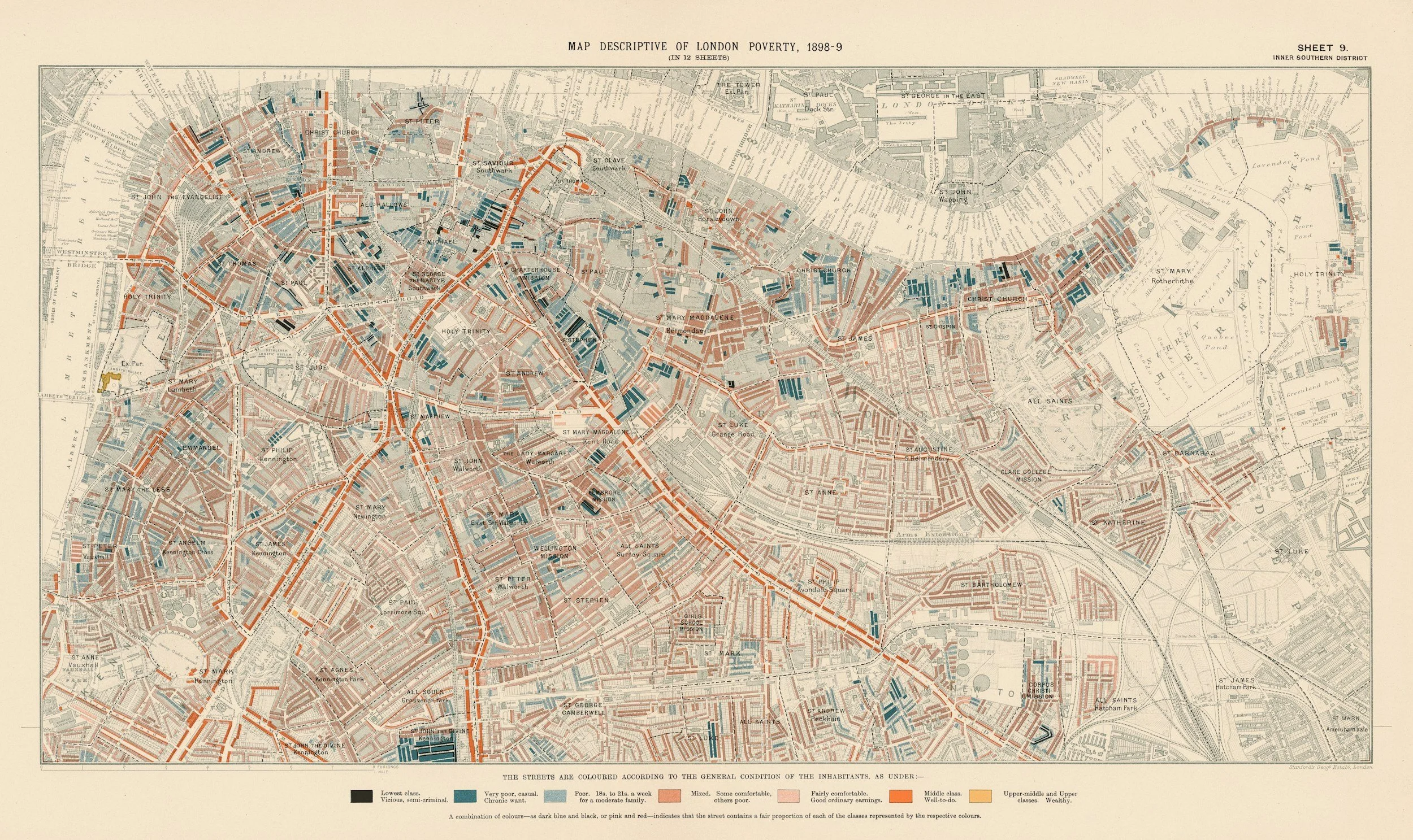
CodeThe novel is particularly concerned with young people growing up inside opaque systems they did not design: educational metrics, data profiling, digital surveillance and inherited social structures. It explores class, access and marginalised histories, asking how innovation can both liberate and limit — and how the nervous system itself becomes a site of political struggle.
Blending historical research with speculative storytelling, The Bureau of Spies uses fantasy not as escapism, but as a lens through which to make invisible systems visible. It is a coming-of-age story about agency in an era of automation, and about what it means to remain perceptive, intuitive and fully alive in a world increasingly invested in predictability and control.
Emma is an award-winning playwright and screenwriter whose work spans theatre and film in the UK, the US and Australia.
She began her career in London assessing books and film scripts for leading literary and screen organisations, including Peters, Fraser and Dunlop, Company Pictures and Television, Miramax Films UK and Screen Australia. She soon emerged as a distinctive theatrical voice, with work developed and staged at the Royal Court Theatre, London, Sydney Theatre Company, and at major festivals including the Sydney Festival. In 2000, she won the Philip Parsons Young Playwrights Award, with judges describing her as “a voice for the future.”
Her stage plays have been produced in London, New York and Sydney, including The Beekeeper (Chashama Theatre, New York), Close to Home (Griffin Theatre Company), Imago (Belvoir Street Theatre), and Crossing the Borders (Royal Court Theatre, London). Her work is driven by a sustained interest in power, class and perception, and in how institutional systems intersect with inner life.
In 2008, Emma moved into writing feature films, focusing on romantic comedy, comedy and drama. Her debut screenplay, Music of My Life, was optioned with strong industry support. Since then, she has written and developed multiple feature projects, including Friday I’m in Love, Persuasion (with Amit Gupta) and Celine, an optioned property with Macmillan Publishing and Entertainment. She has been commissioned to develop screen work through United Agents (Sean Gascoine) and her previous Sydney-based agent, Cameron Creswell.
She currently lives in London.
FILM
https://if.com.au/the-secret-lives-of-dresses-to-be-revealed/
JOURNALISM
https://www.independent.co.uk/author/emma-vuletic
PLAYS
https://www.sydneyfestival.org.au/events/2002
https://www.imdb.com/name/nm5540628/
https://theatrewithoutborders.com/the-australia-project-australia-strikes-back/
https://www.smh.com.au/entertainment/art-and-design/close-to-home-20051122-gdmho6.html
https://en.wikipedia.org/wiki/NSW_Philip_Parsons_Fellowship_for_Emerging_Playwrights
https://www.smh.com.au/entertainment/art-and-design/eat-my-shorts-20051118-gdmgnj.html
https://www.australianstage.com.au/20071218986/news/sydney/short-sweet-2008-program-announced.html
https://www.realtime.org.au/b-sharp-and-blunt/
https://www.newspapers.com/article/the-sydney-morning-herald-award-clip-smh/4688950/